
by Three Days Art
TO SEE A MARCHING BAND
Sopheap Pich’s Luminous Falls lingered in my mind long after I left the Buffalo AKG Art Museum, a shadow I could not shake. It had no clear subject and no story to follow, yet my heart raced for reasons I could not explain. Like the song Welcome to the Black Parade, it wrestled with a darkness I could neither define nor escape. I walked through a parade of shadows I had never meant to enter.
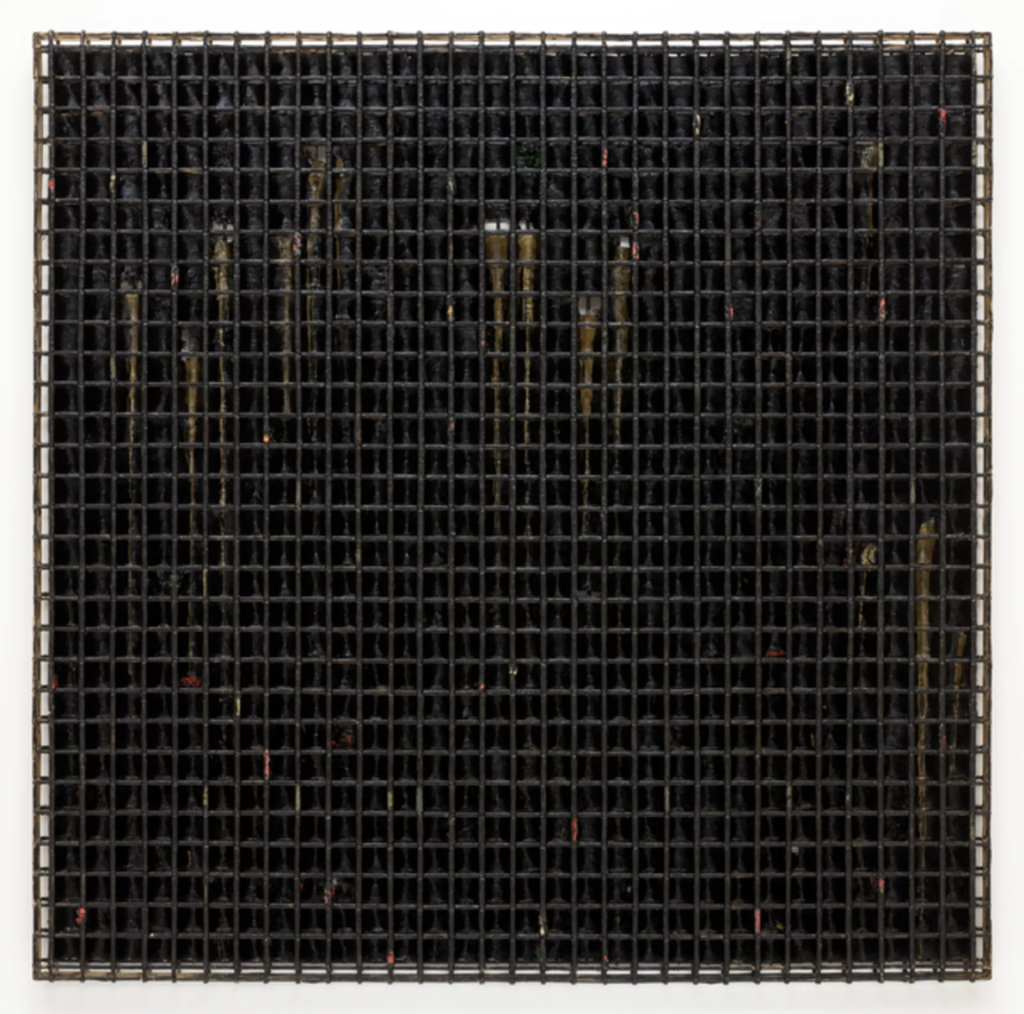
Luminous Falls No. I, 2013 © AKG
TO LEAVE ME A PHANTOM
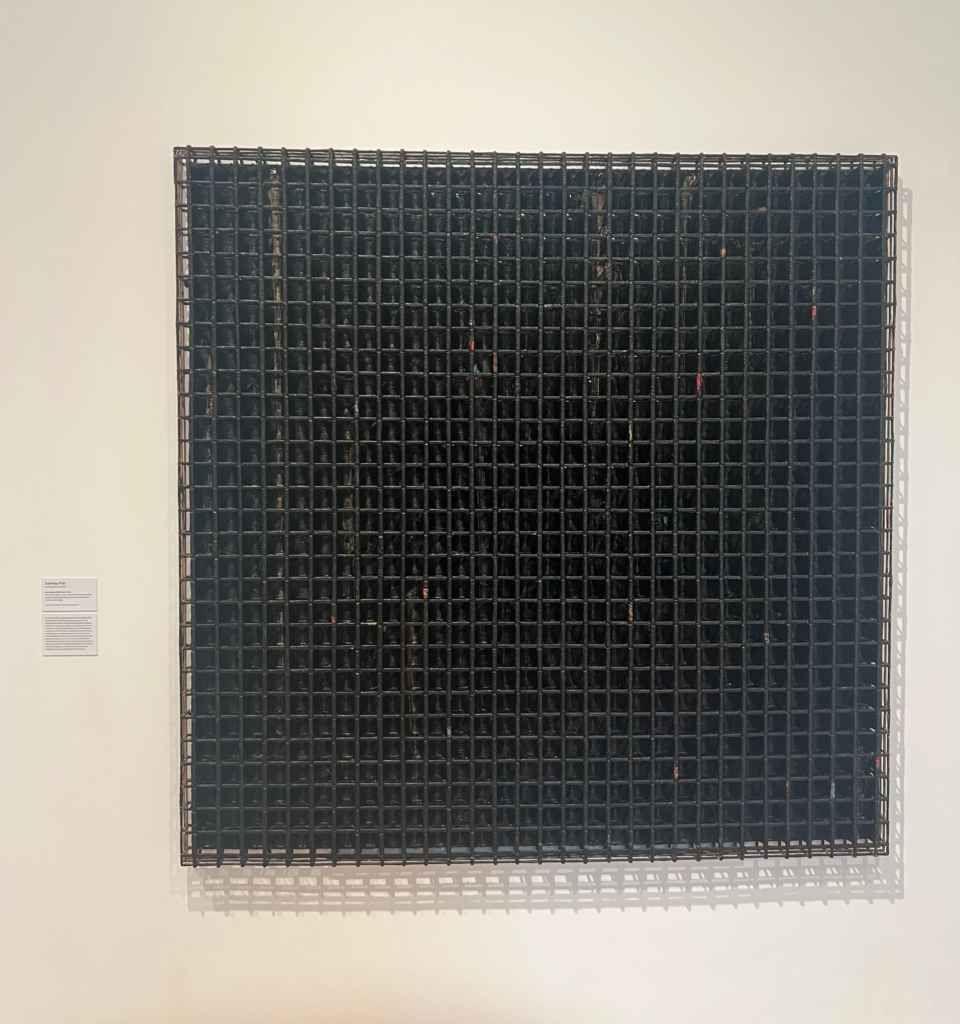
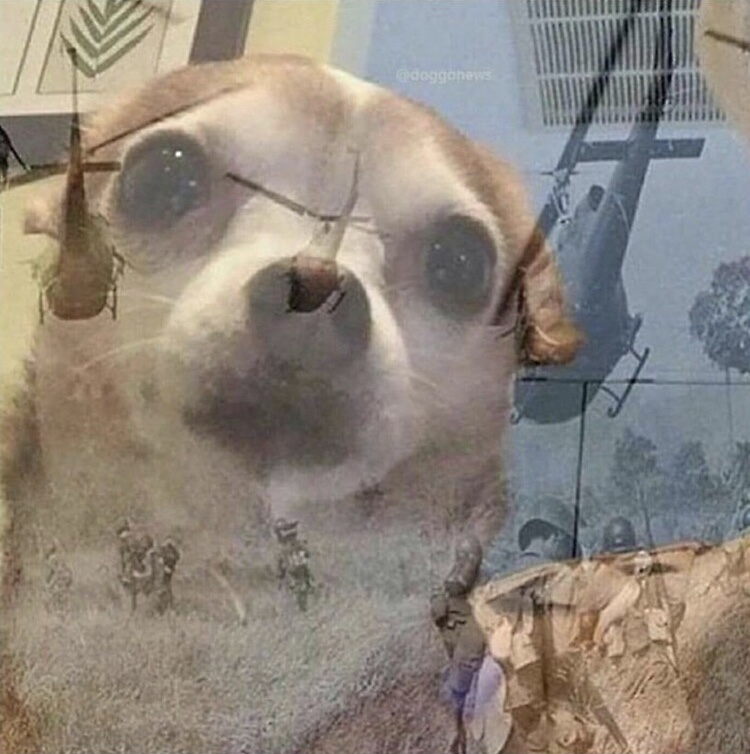
It was a silent provocation that pushed back against understanding. The black was not simply a color but an action, deep and absorbing and strangely alive, flowing through the endless grid into a bottomless void with no subject, beginning, or end. Boundaries blurred, silence weighed like fossils, and the air felt blocked, as if pressure were pressing directly into thought. The grid turned into eyes that seemed to watch me. I felt objectified and passive, stripped of individuality. On the return journey, I found myself muttering the internet meme: “PTSD intensifies.”
WORLD SENDS REELIN
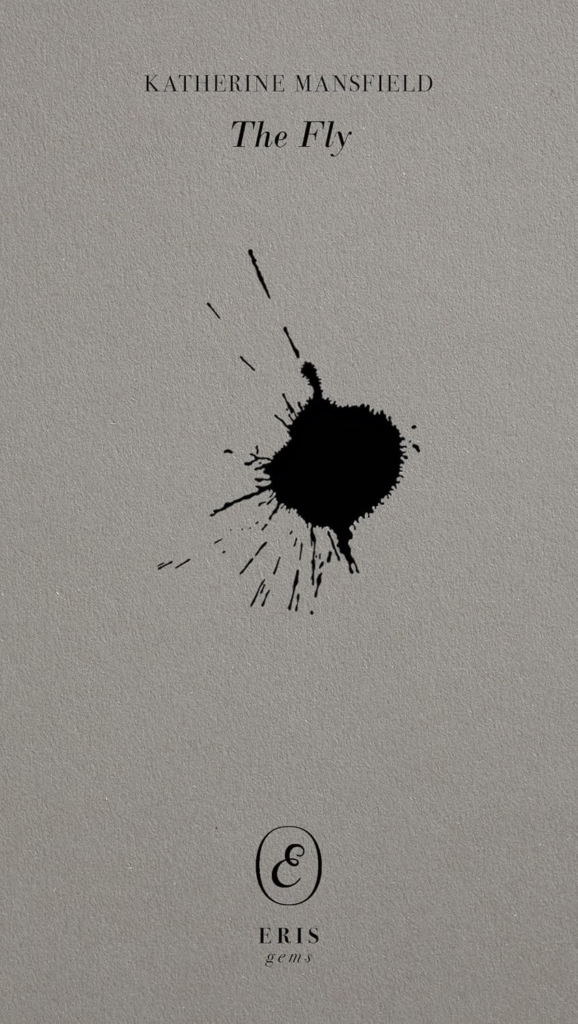
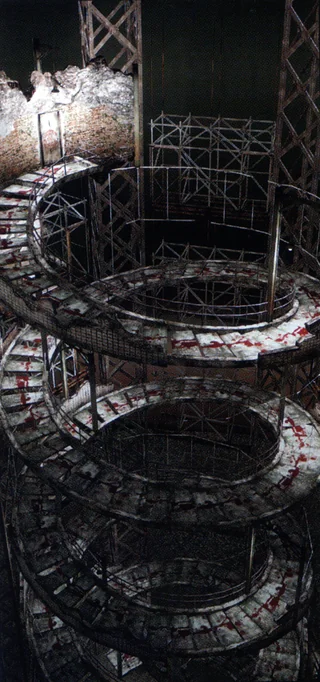
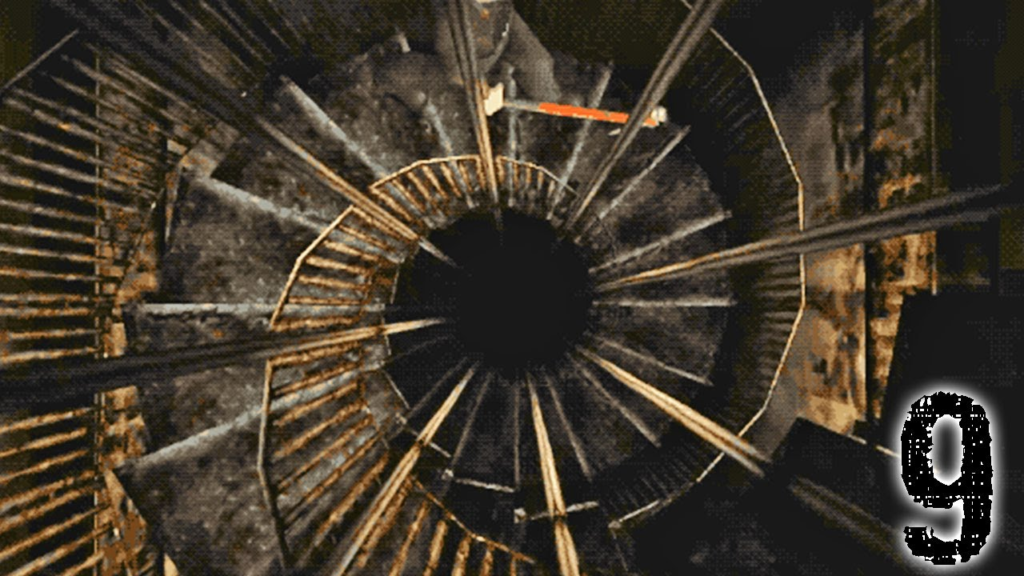
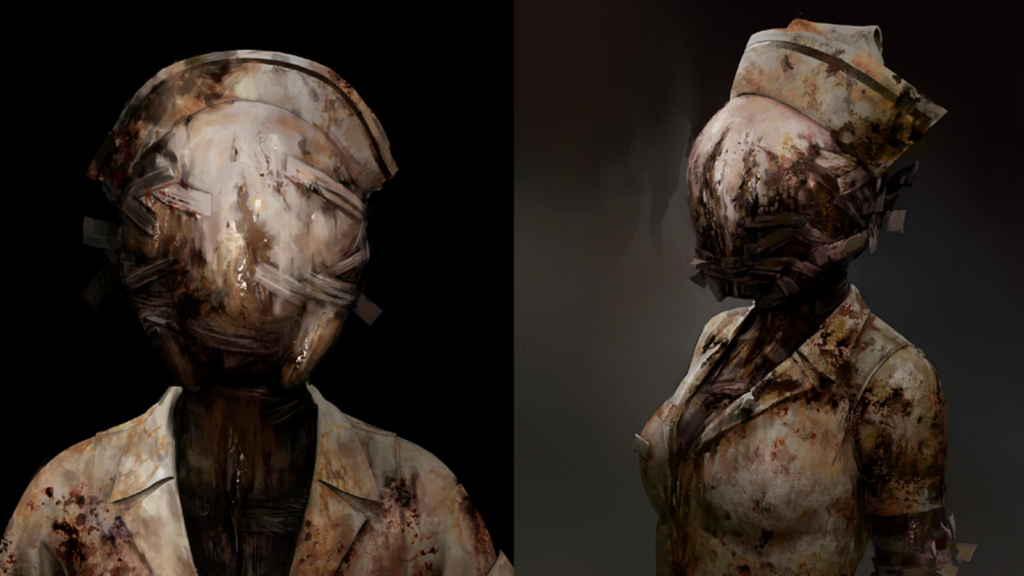
Reading The Fly written by Katherine Mansfield and grasping the idea of “Ordinary response to atrocities: banish them from consciousness” reframed Luminous Falls for me. What had felt empty suddenly became unbearably heavy, like the monster and environment concept design of Silent Hill, which at first looks unrecognizable. Absence outweighed presence. It was not light but something oppressively dense, sinking into silence and solidifying into an ineffable tragedy. Perhaps Luminous Falls is trauma made visible, etched deep in the artist’s mind.
JUST A MAN, NOT A HERO
Set against a world war, Luminous Falls arranges black, rough rattan into tight, orderly grids. I kept wondering why it had to be structured this way. It evokes the logic of psychological trauma: a world stripped of hope with no turning points or surprises, and no trace of vitality. All suffering, memory, and fear seem compressed into monotonous, repeating squares, forming a complete sense of being lost.
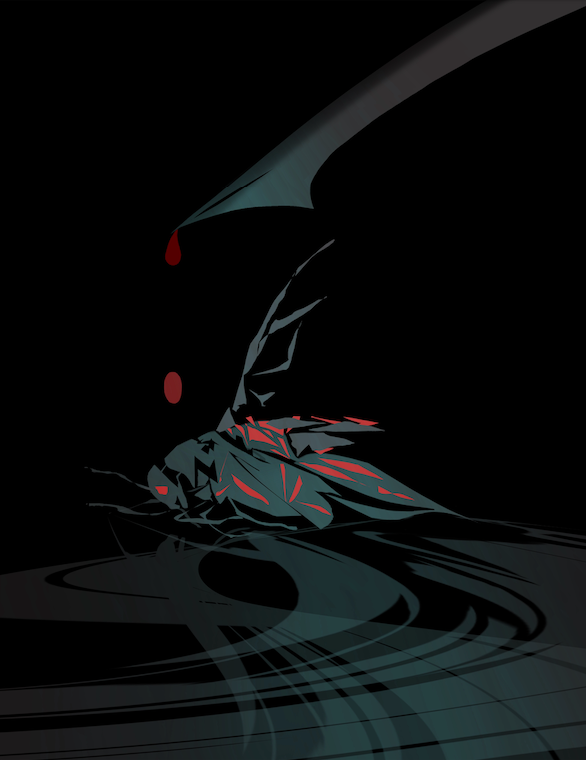
The artist weaves black stripes not to defy nature but to reflect humanity and the natural world fractured by war. This fragility appears again in daily life. In The Fly, the boss’s repetitive cruelty, such as dropping ink on the fly, grows out of trauma and the numbness that war leaves behind. It blocks any sense of consequence. The fly dies meaninglessly, and the boss seems never to have truly lived. War breeds cruelty through trauma rather than choice, forcing humans into derivatives of evil. They are not monsters, but feelingless people acting out a lifeless order. When I think of this, I inhale, yet no air seems to reach me.
TO CARRY ON
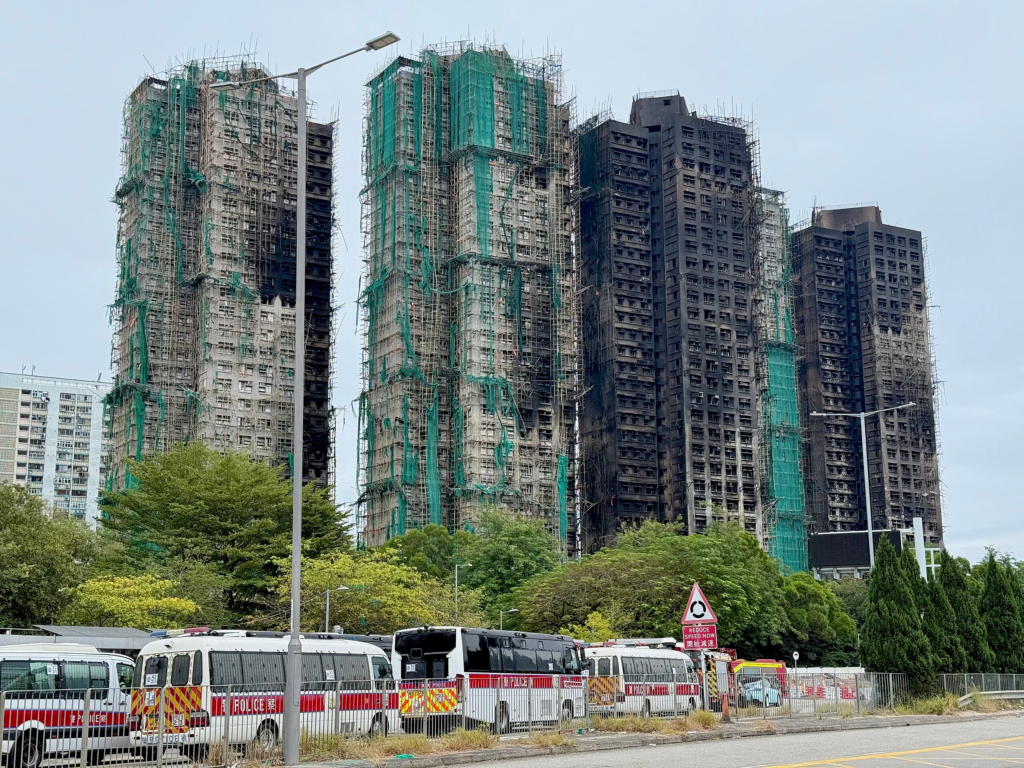
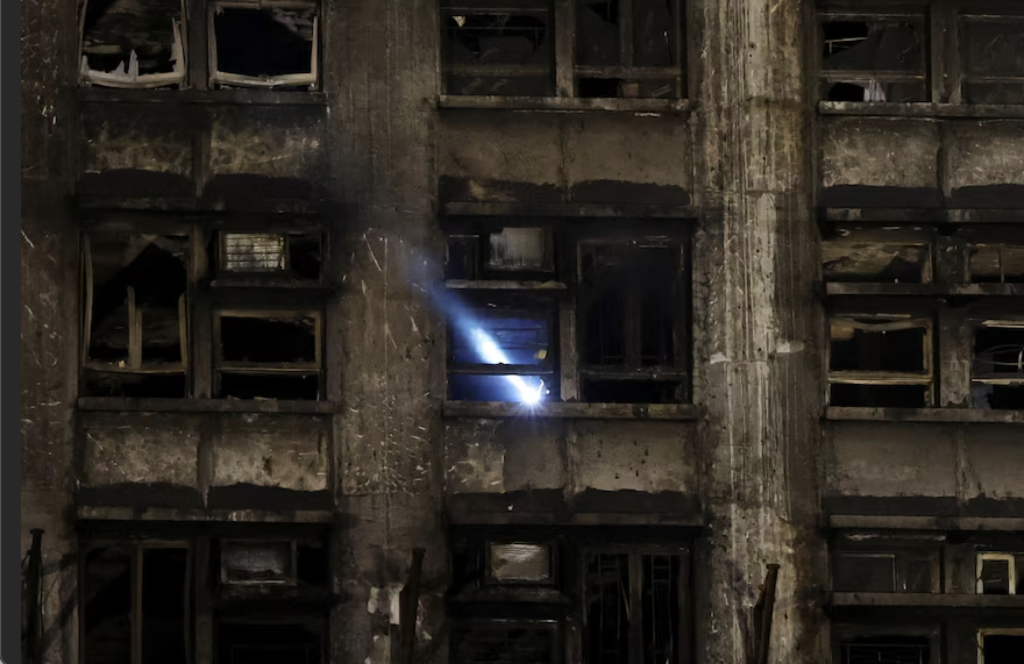
During this journey, an international incident occurred. A fire broke out at Hong Kong’s Tai Po Hong Fuk Court. On November 29, the photos of the aftermath froze me in place. The visuals resembled the artwork: black, lifeless, grid-like, and eerily formal.
Fire is merciless. It steals breath, suffocates, and drowns out cries beneath the roar of disaster until only silence remains. Fires and the bombs of war both leave behind blackened, empty windows that look like dead mouths, each one carrying pain for the living. Survivors, witnesses, and society itself face new waves of PTSD.


From class, I learned the ideas “atrocities refuse to be buried” and “remembering and telling the truth.” Trauma does not vanish. It returns like a ghost. Only through remembering and speaking can healing begin, and facing it creates the possibility of change.
I kept reminding myself of this. Gradually, Luminous Falls reappeared in my mind as a black square on a white wall, its edges clear yet mottled. The song rises again: “Your misery and hate will kill us all, so paint it black and take it back.”
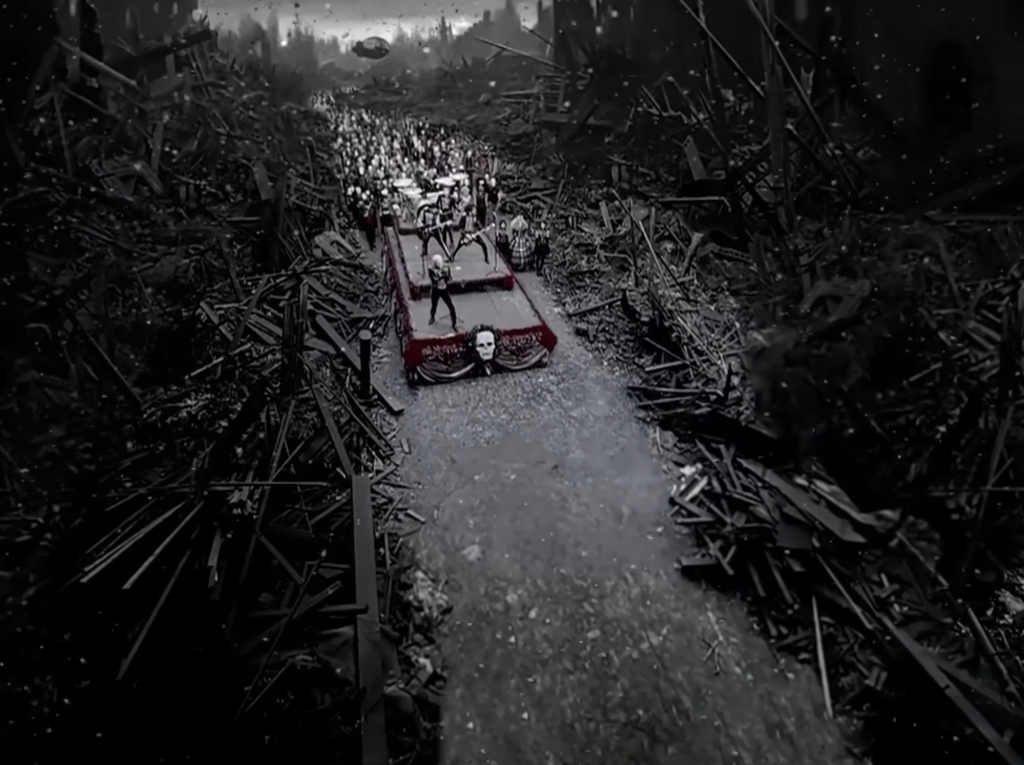
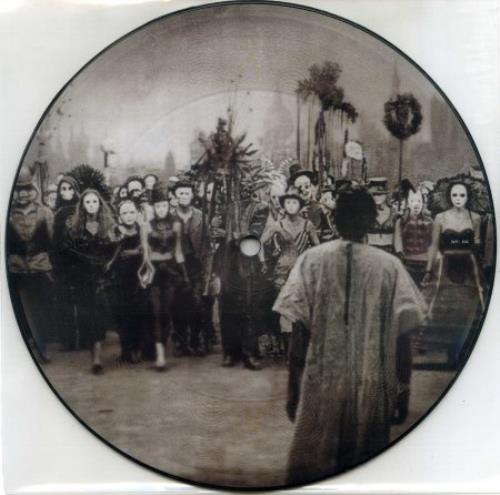
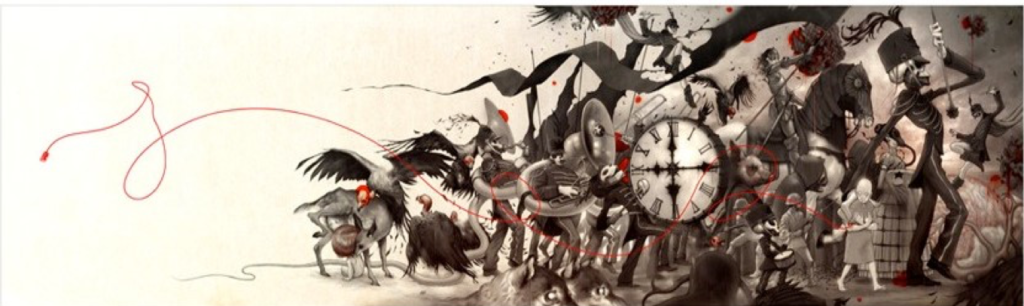
My Chemical Romance, a landmark band of early-2000s emo/emo-pop, was formed after Gerard Way, deeply shaken by witnessing the 9/11 attacks, which compelled him to shift from visual arts to music.: From Luminous to The Fly: Trauma and the Black Parade
This series comprises several journal articles and essays. Additional pieces can be found under the same tittle.